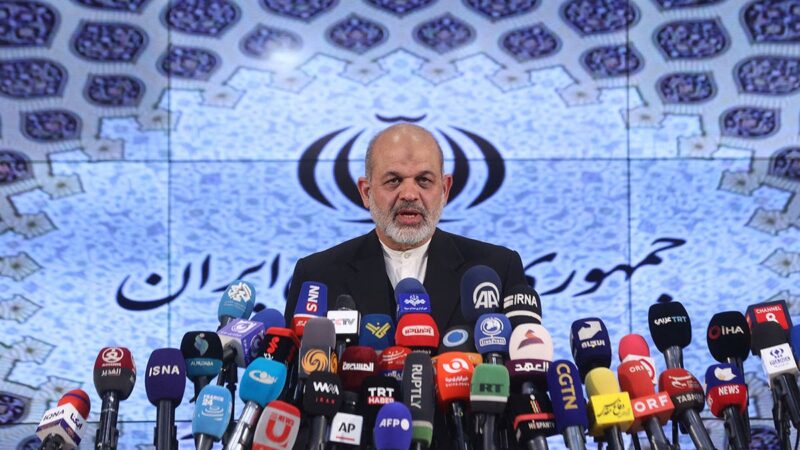
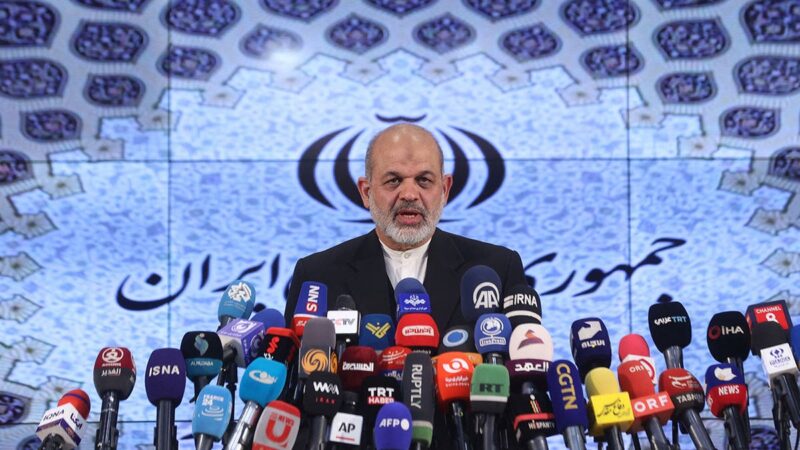
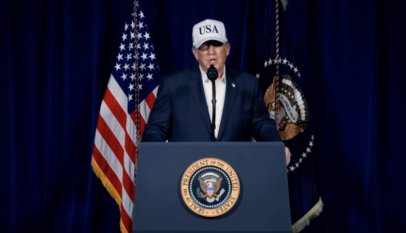
President Donald Trump suggested Wednesday that Iran may be seeking a ceasefire, but analysts say real power lies with hardline figures inside the Islamic Revolutionary Guard Corps, including newly prominent Commander Ahmad Vahidi.
Trump did not name the Iranian figure he was referring to, but his comment likely pointed to President Masoud Pezeshkian, writing: “Iran’s New Regime President, much less Radicalized and far more intelligent than his predecessors, has just asked the United States of America for a CEASEFIRE! We will consider when Hormuz Strait is open, free, and clear. Until then, we are blasting Iran into oblivion or, as they say, back to the Stone Ages!!!”
Experts caution, however, that Iran’s president does not control decisions of war and peace.
“He clearly does not have the authority to turn on or turn off a major military conflict with the United States,” Behnam Ben Taleblu, a senior fellow at the Foundation for Defense of Democracies, told Fox News Digital.
TRUMP’S IRAN STRATEGY SHOWCASES ‘DOCTRINE OF UNPREDICTABILITY’ AMID STRIKE THREATS AND SUDDEN PAUSE
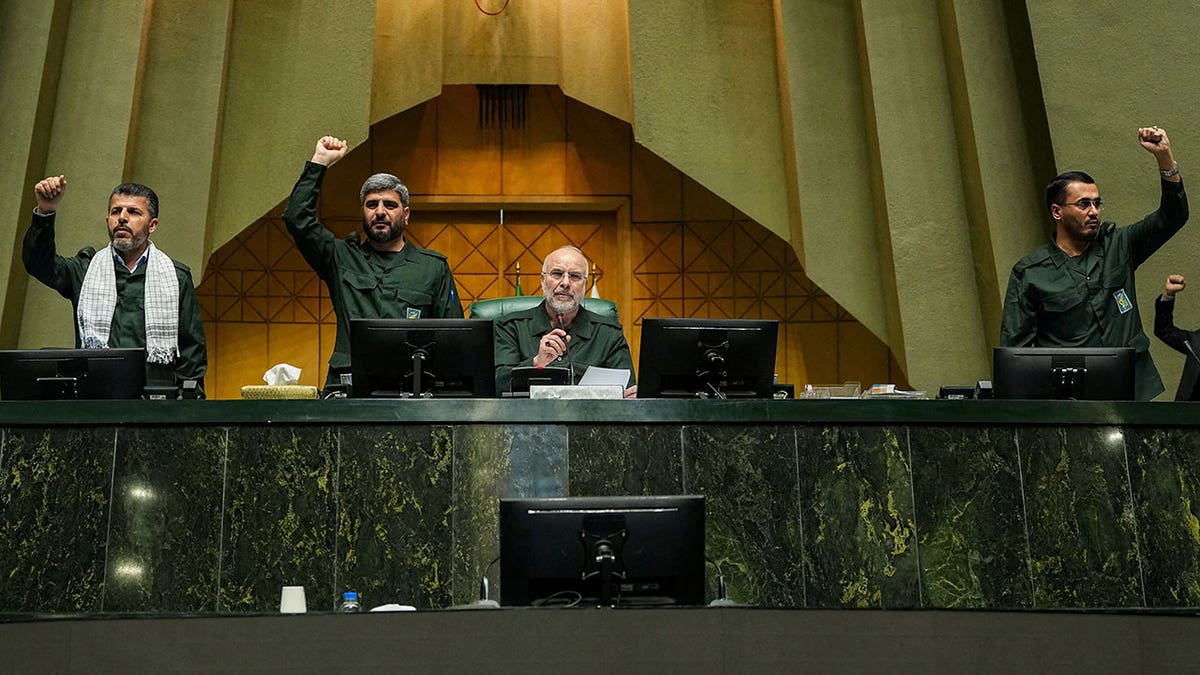
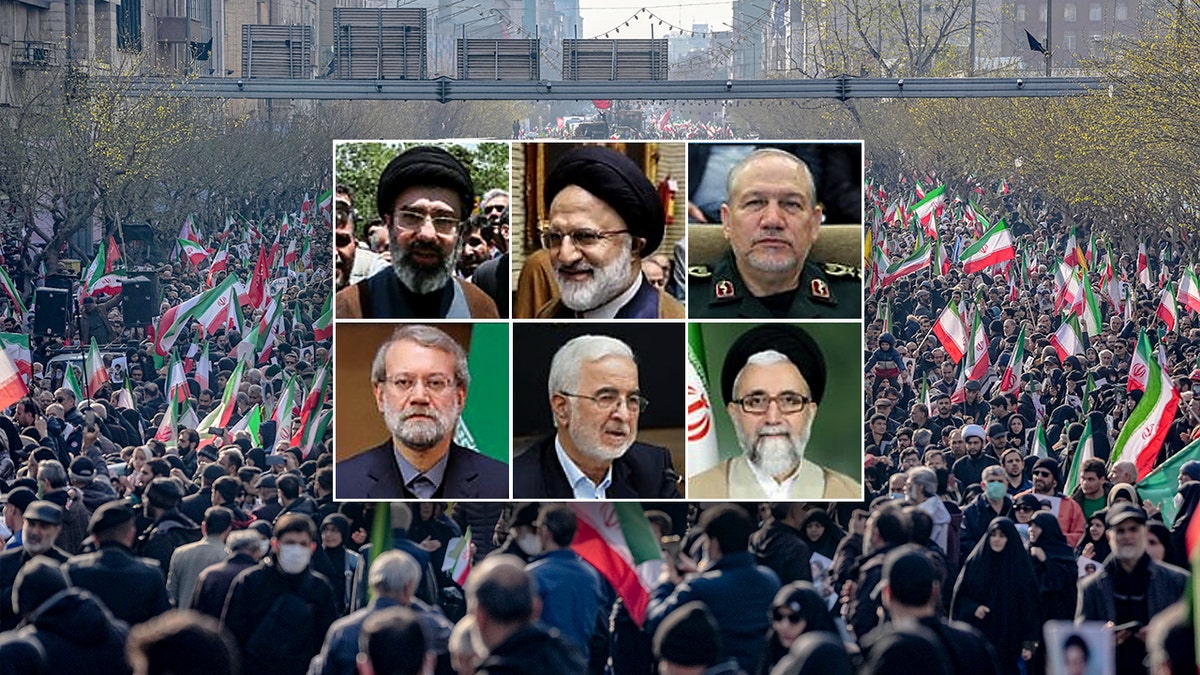
Instead, analysts say real power lies with senior figures tied to the Islamic Revolutionary Guard Corps, including Vahidi, Parliamentary speaker Mohammad Bagher Ghalibaf, and security official Mohammad Zolghadr, all of whom operate within overlapping centers of influence.
Attention is turning to the new terror chief seen as an extremist pulling strings, Vahidi — a longtime Islamic Revolutionary Guard Corps commander whose reemergence highlights a broader shift underway inside Iran’s leadership.
Beni Sabti, an Iran expert at the Israeli Institute for National Security Studies, warned that even when Iran signals interest in a “ceasefire,” it may not reflect a Western understanding of the term.
He pointed to the concept of “hudna,” describing it as “a ceasefire with deception — they stop when they are weak, rebuild their strength, and then attack again, whether against Israel or the United States.”
Sabti added that such pauses can become “a cycle of violence that does not end,” driven by ideological motivations, and should not be interpreted as a genuine end to hostilities.
From covert operations to global attacks
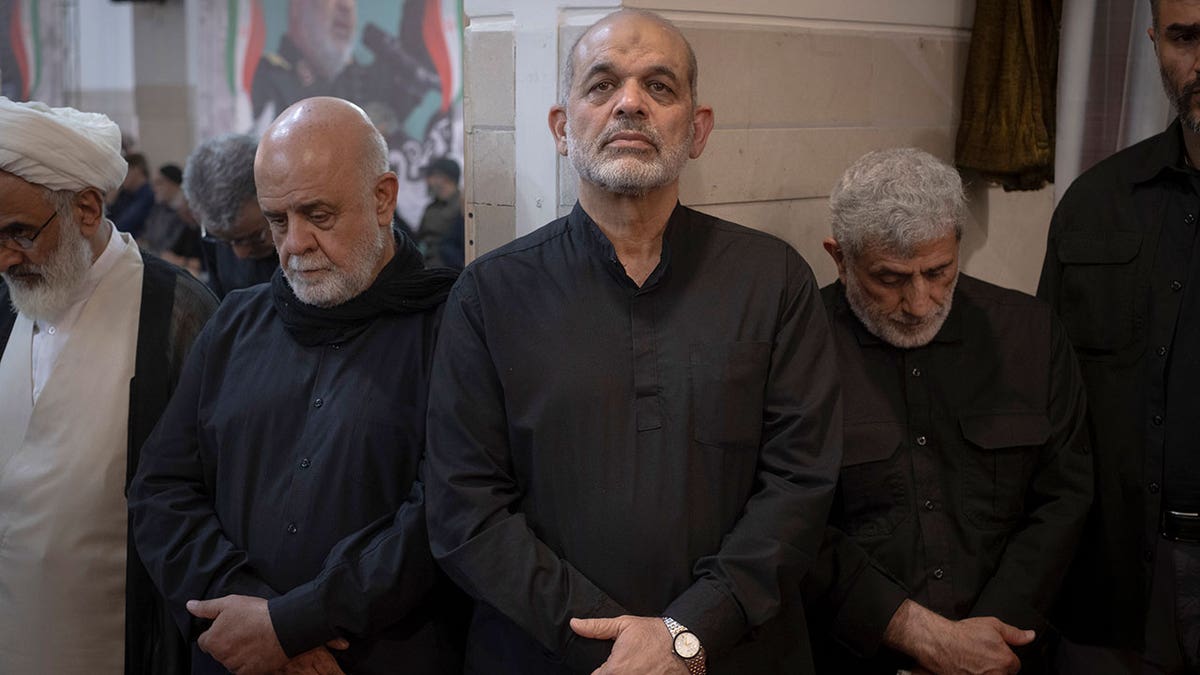
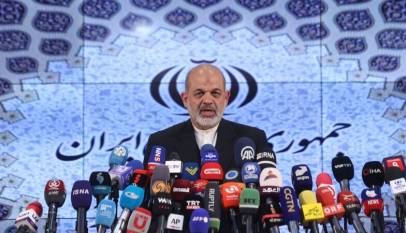
At the center of that uncertainty is Vahidi, the new Islamic Revolutionary Guard Corps (IRGC) commander.
“He is a very violent man and belongs to a generation that fought in guerrilla warfare,” Sabti told Fox News Digital.
Sabti described Vahidi as part of an early cadre of Iranian operatives who built ties with militant groups in Lebanon before and after the 1979 revolution, relationships that later became central to Iran’s regional strategy. Some accounts suggest Vahidi trained in camps linked to Palestinian and Lebanese factions in southern Lebanon, helping lay the groundwork for Iran’s long-standing alliance with Lebanon-based terror group Hezbollah.
DESTROY THE REGIME’S POWER WITHOUT OCCUPYING IRAN: A SMARTER WAR PLAN
Vahidi rose through the ranks of the Islamic Revolutionary Guard Corps and went on to serve as commander of its elite Quds Force in the 1990s, a unit responsible for overseas operations.
He has been linked to some of the deadliest attacks attributed to Iranian-backed networks abroad, including the 1992 bombing of the Israeli Embassy in Argentina and the 1994 bombing of the AMIA Jewish community center in Buenos Aires.
Sabti said Vahidi was also accused of maintaining connections with al Qaeda figures following the Sept. 11 attacks, reflecting what he described as Iran’s willingness to cooperate with groups targeting Western and Israeli interests.
Despite later holding positions that appeared political or bureaucratic, Sabti said Vahidi never truly stepped away from the Revolutionary Guards, Iran’s powerful military and intelligence arm, meaning his role remained closely tied to the regime’s security and operational apparatus.
“He always remained part of the Revolutionary Guards — even wearing uniform,” he said. “That’s common in Iran. Even when they move into politics, they stay within the force.”
Sabti also pointed to Vahidi’s alleged role in suppressing Kurdish uprisings in northwestern Iran in the aftermath of the 1979 Islamic Revolution, underscoring his longstanding involvement in internal security operations.
HEGSETH REVEALS COVERT VISIT TO TROOPS FIGHTING IN OPERATION EPIC FURY
A system driven by power, not position
Vahidi’s renewed prominence comes as Iran’s internal structure appears increasingly fragmented, with authority concentrated in overlapping and sometimes competing networks.
“It’s not clear how coordinated either the military or political actions of the government of the Islamic Republic is today,” Ben Taleblu said.
He described Iran as “a system of men, not a system of laws,” where personal ties and informal influence often outweigh formal titles.
That dynamic has intensified as the war continues.
“We are seeing the IRGC ascendancy… across a host of Iranian political and security institutions,” he said.
“This IRGC ascendancy will mean a more crass Islamic Republic, but it comes at a time when this regime is militarily less capable than ever before,” he added.
More power, less restraint
Sabti said Vahidi may now be more influential than other prominent figures in Tehran, including parliamentary speaker Mohammad Bagher Ghalibaf and Supreme Leader Ali Khamenei’s son, Mojtaba Khamenei.
“In my view, he is more dominant right now, even if they are coordinated. This is not a time for internal competition,” Sabti said.
He warned that Vahidi’s rise could further harden Iran’s posture.
“He brings even more radicalization into the system and may not want to stop the war, because it serves the interests of the Revolutionary Guards to continue,” Sabti said.
“They could become masters of the region if the United States folds — and that is very much in his interest.”
Trump’s suggestion that Iran is seeking a ceasefire has raised hopes of a potential diplomatic opening, but experts caution that such signals may not reflect a unified position inside Iran.
“The question is what was shared with President Trump genuine, or is it wheeling and dealing of just one ambitious person?” Ben Taleblu said.
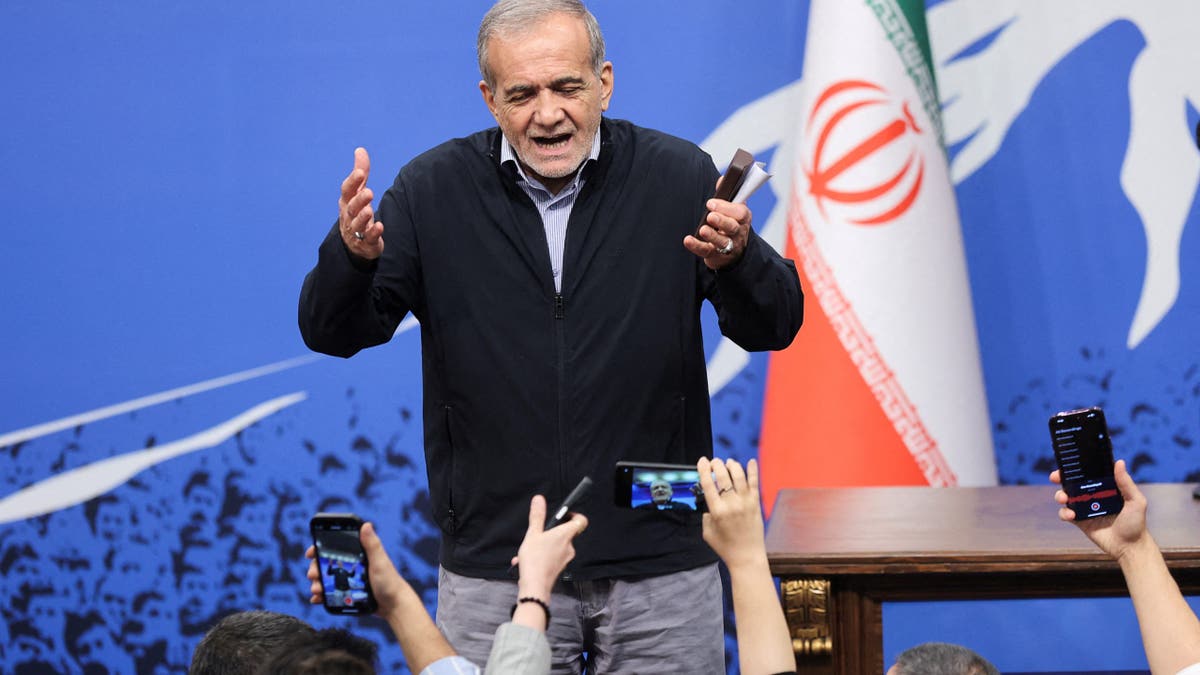
“Pezeshkian clearly does not have the authority to turn on or turn off a major military conflict with the United States,” Ben Taleblu said.
That leaves open the possibility that any outreach could be tactical, fragmented, or even contradictory.
Fox News Digital reached out to the White House for comment but did not receive a response in time for publication.
<!–>
–>

GOP leaders endorse Trump’s shutdown-proof move to end DHS funding lapse
Republican leaders are rallying around President Donald Trump’s new approach to end the 47…